
Japanese Hair Treatment: Benefits, Process & How Long It Lasts
Healthy, shiny hair isn’t just about using the right shampoo. Daily heat styling, chemical services, pollution, UV exposure, and even hard water can leave your hair dry, dull, frizzy, and difficult to manage. While at-home masks and conditioners can provide temporary softness, they often don’t repair damage deep within the hair shaft.
That’s where a Japanese hair treatment stands out.
Known for its advanced formulas and focus on restoring hair health rather than simply masking damage, Japanese hair treatments have become increasingly popular among people looking for long-lasting results. Whether your hair is color-treated, chemically processed, naturally dry, or damaged from frequent styling, this professional treatment can help improve its strength, shine, and manageability.
In this guide, we’ll explain how Japanese hair treatments work, who they’re best suited for, what happens during the treatment, how long the results typically last, and how to maintain healthier-looking hair after your appointment.
What Is a Japanese Hair Treatment?
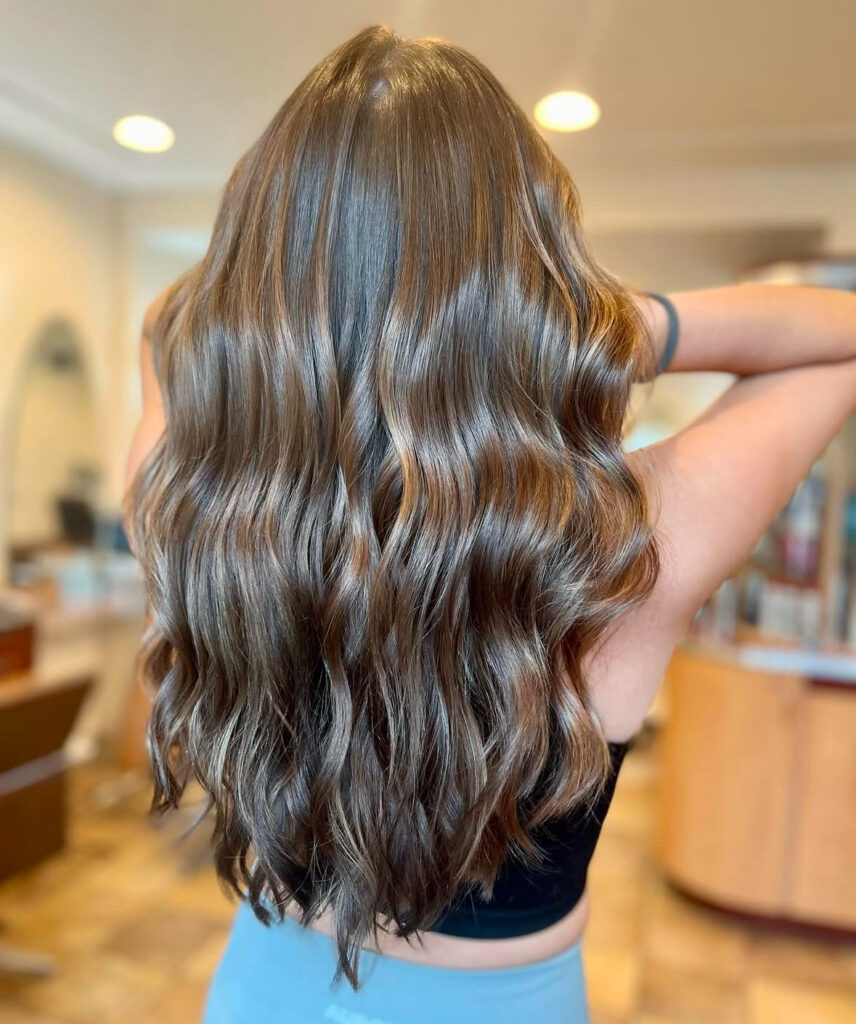
A Japanese hair treatment is a professional salon service designed to restore moisture, strengthen damaged strands, and improve the overall condition of your hair.
Unlike traditional conditioners that only coat the surface, many Japanese treatments use multiple nourishing ingredients that penetrate deeper into the hair to replenish moisture and reinforce weakened areas. Depending on the specific product used, these treatments may include proteins, amino acids, ceramides, collagen, botanical extracts, or other conditioning agents that support healthier-looking hair.
The goal isn’t to permanently straighten your hair. Instead, it’s to:
- Repair visible damage
- Improve softness and shine
- Reduce frizz
- Increase manageability
- Help protect hair from future damage
Many people notice that their hair feels lighter, smoother, and easier to style after just one professional session.
How Does a Japanese Hair Treatment Work?
Hair becomes damaged when the protective outer layer, called the cuticle, is weakened. This allows moisture to escape while making hair more vulnerable to breakage, dryness, and frizz.
A Japanese hair treatment works by targeting these damaged areas with nourishing ingredients that help smooth the cuticle and improve the hair’s appearance.
While every salon may use different professional products, the treatment generally focuses on:
- Restoring lost moisture
- Reinforcing weakened hair fibers
- Improving elasticity
- Enhancing shine
- Reducing surface roughness
- Leaving hair softer and more manageable
Rather than changing your natural hair texture permanently, the treatment improves the health and appearance of your existing hair.
Benefits of Japanese Hair Treatment
One reason this treatment continues to grow in popularity is that it addresses multiple hair concerns at once.
Deeply Hydrates Dry Hair
Dry hair often lacks the moisture needed to remain soft and flexible. Japanese hair treatments help replenish hydration, leaving hair smoother and less prone to brittleness.
People with naturally dry or chemically treated hair often notice immediate improvements in softness.
Reduces Frizz
Humidity, damaged cuticles, and dehydration all contribute to frizz.
By smoothing the outer layer of the hair, Japanese treatments help reduce flyaways and make hair easier to control throughout the day.
While the treatment won’t permanently straighten curly hair, it can significantly improve manageability.
Restores Shine
Healthy hair reflects light evenly, creating a naturally glossy appearance.
Damaged hair has a rough surface that scatters light, making it look dull.
Japanese hair treatments smooth the cuticle, helping restore natural shine without making the hair feel heavy.
Strengthens Weak Hair
Hair that’s frequently colored, bleached, or heat styled becomes more vulnerable to breakage.
Professional Japanese hair repair treatments help reinforce weakened strands, making them more resilient during daily styling.
Improves Hair Texture
Many clients notice that their hair feels softer, silkier, and smoother after treatment.
This improvement makes brushing easier and reduces tangles, especially for longer hair.
Makes Daily Styling Easier
Healthier hair responds better to styling.
Because the cuticle becomes smoother, drying and styling often require less time, while hairstyles hold their shape more consistently throughout the day.
Who Should Get a Japanese Hair Treatment?
A Japanese hair treatment is suitable for many hair types, especially if your hair feels dry, rough, or difficult to manage.
You may benefit from this treatment if you have:
- Dry or dehydrated hair
- Color-treated hair
- Bleached hair
- Heat-damaged hair
- Frizzy hair
- Chemically processed hair
- Hair that’s become dull or lifeless
- Hair prone to tangling or breakage
If your hair has undergone frequent coloring or bleaching, combining a restorative treatment with professional Hair Coloring Services can help maintain healthier-looking results between appointments.
What Happens During a Japanese Hair Treatment?
Although the exact process varies depending on the salon and products used, most professional treatments follow several key steps.
Step 1: Hair Consultation
Your stylist begins by examining your hair’s condition.
They’ll assess:
- Hair texture
- Porosity
- Damage level
- Chemical history
- Styling routine
This helps determine whether a Japanese hair treatment is the best option for your hair goals.
Step 2: Cleansing
Your hair is washed using a professional clarifying shampoo to remove product buildup, excess oil, and impurities.
A clean foundation allows the treatment to penetrate more effectively.
Step 3: Application of the Treatment
The treatment formula is carefully applied from roots to ends.
Depending on the product, it may be layered in multiple stages to target different aspects of hair repair and hydration.
Your stylist ensures even distribution so every section receives the same level of care.
Step 4: Processing Time
Once applied, the treatment is left on the hair for a specific amount of time.
During this stage, the nourishing ingredients work to condition and improve the hair’s overall appearance.
Some professional systems may include gentle heat to help maximize absorption.
Step 5: Rinsing and Styling
After processing, your stylist rinses the treatment according to the manufacturer’s instructions before blow-drying and styling your hair.
At this stage, you’ll typically notice improved softness, enhanced shine, and smoother texture.
A professional finish also allows you to see the full effect of the treatment.
Is a Japanese Hair Treatment the Same as Japanese Hair Straightening?
No. These two services are often confused, but they have different purposes.
|
Japanese Hair Treatment |
Japanese Hair Straightening |
|
Focuses on repairing and nourishing hair |
Permanently changes hair texture |
|
Improves shine and softness |
Creates permanently straight hair |
|
Reduces frizz |
Eliminates curls and waves |
|
Suitable for maintaining healthy hair |
Ideal for those seeking long-term straightening |
|
Doesn’t permanently alter your natural texture |
Permanently restructures the hair |
If your main concern is repairing damaged hair, a restorative Japanese hair treatment is generally the more suitable option. If you’re looking to reduce frizz while maintaining a smooth finish, a professional Hair Smoothing Treatment consultation can help determine which service best matches your hair type and styling goals.
How Long Does a Japanese Hair Treatment Last?
One of the most common questions people ask is, “How long does a Japanese hair treatment last?”
While the exact duration depends on your hair type, lifestyle, and maintenance routine, most professional Japanese hair treatments last between 4 and 8 weeks. Premium salon-grade treatments paired with proper aftercare may continue to improve the hair’s appearance for even longer.
Unlike temporary conditioners that wash away after a few shampoos, professional treatments work deeper within the hair, so the benefits tend to last through multiple washes.
If your hair is heavily damaged from bleaching, coloring, or frequent heat styling, your stylist may recommend regular treatments every few weeks to maintain optimal results.
Factors That Affect How Long the Results Last
Not everyone’s hair responds the same way. Several factors influence how long your treatment continues to perform.
Hair Condition
Healthier hair usually retains treatment benefits longer than severely damaged hair.
Hair that has been repeatedly bleached or chemically processed may require more frequent maintenance sessions.
Washing Frequency
Frequent shampooing gradually removes conditioning ingredients from the hair.
If you wash your hair every day, the treatment may fade sooner than if you wash it two or three times a week.
Hair Care Products
Using gentle, salon-quality products helps preserve the treatment.
Choosing shampoos and conditioners recommended by your stylist can help extend the results while keeping your hair hydrated.
Heat Styling
Regular use of flat irons, curling irons, and high-temperature blow dryers can contribute to dryness over time.
Whenever possible, use a heat protectant before styling to reduce unnecessary stress on the hair.
Japanese Hair Treatment Before and After: What Results Can You Expect?
Many people expect dramatic overnight transformations, but the real benefit of a Japanese hair treatment is healthier-looking hair rather than an artificial finish.
After treatment, you may notice:
- Hair feels noticeably softer
- Increased natural shine
- Reduced frizz and flyaways
- Easier brushing and detangling
- Improved manageability
- Less roughness and dryness
- Hair appears healthier overall
Keep in mind that no professional treatment can permanently reverse severe hair damage. However, regular salon treatments combined with a healthy hair care routine can significantly improve your hair’s appearance and manageability over time.
How to Maintain Your Results
Professional treatment is only part of the process. Proper aftercare helps keep your hair looking and feeling its best for longer.
Use a Gentle Shampoo
Harsh cleansing products can strip away moisture and reduce the longevity of your treatment.
Choose a shampoo suited to your hair type and follow your stylist’s recommendations whenever possible.
Condition Regularly
Hydrated hair is stronger, shinier, and less prone to breakage.
Using a quality conditioner after every wash helps maintain moisture and supports healthier-looking hair between salon visits.
Limit Heat Damage
Heat styling is one of the leading causes of dryness and split ends.
If you use hot tools, apply a heat protectant first and avoid unnecessarily high temperatures.
Schedule Regular Trims
Even the best hair treatments can’t repair split ends permanently.
Routine trims help prevent damage from traveling farther up the hair shaft while keeping your hairstyle looking fresh.
Protect Hair From Environmental Damage
Sun exposure, chlorine, and saltwater can dry out hair over time.
Wearing a hat outdoors or rinsing your hair after swimming can help minimize environmental stress.
Japanese Hair Treatment vs Keratin Treatment
Although both treatments improve the appearance of your hair, they serve different purposes.
|
Japanese Hair Treatment |
Keratin Treatment |
|
Focuses on repairing and nourishing hair |
Primarily smooths and controls frizz |
|
Improves moisture and softness |
Creates a sleeker appearance |
|
Enhances natural texture |
Often relaxes curls and waves |
|
Ideal for damaged or dry hair |
Ideal for frizzy, difficult-to-manage hair |
|
Results typically last 4–8 weeks |
Results often last 3–5 months |
If your hair feels brittle, dull, or overprocessed, a Japanese hair treatment may be the better option.
If your primary goal is smoother, straighter hair with reduced styling time, a professional Hair Smoothing Treatment may be more suitable.
Is Japanese Hair Treatment Safe for Color-Treated Hair?
In most cases, yes.
Many professional Japanese hair treatments are designed to complement color-treated hair by restoring moisture and improving shine after coloring or bleaching.
If you regularly color your hair, talk to your stylist about scheduling your treatment in the right order. Combining restorative treatments with professional Hair Coloring Services can help maintain vibrant color while keeping your hair healthier and more manageable.
Who Should Avoid Japanese Hair Treatment?
Although this treatment is suitable for many people, it may not be the best choice in every situation.
Speak with your stylist if you have:
- Extremely fragile or overprocessed hair
- Active scalp irritation
- Allergies to salon treatment ingredients
- Recent chemical services that require recovery time
A professional consultation helps determine whether your hair is ready for treatment or would benefit from another approach first.
Common Myths About Japanese Hair Treatments
Myth 1: It Permanently Straightens Hair
False.
A restorative Japanese hair treatment improves hair health and reduces frizz, but it doesn’t permanently change your natural hair texture.
Myth 2: Only Damaged Hair Needs It
Not true.
Many people with healthy hair use these treatments to maintain shine, softness, and manageability while helping prevent future damage.
Myth 3: Results Last Forever
Professional treatments gradually fade over time.
Regular maintenance and proper home care are essential for long-lasting results.
Frequently Asked Questions
Most professional Japanese hair treatments last 4 to 8 weeks, depending on your hair type, maintenance routine, and the products used during and after the service.
No. A restorative Japanese hair treatment is designed to improve the condition of your hair by increasing moisture, reducing frizz, and enhancing shine. It does not permanently straighten your natural hair.
Yes, but the ideal timing depends on your hair’s condition and the products used. Your stylist can recommend the safest schedule to achieve the best results while protecting your hair.
Yes. It works on straight, wavy, and curly hair by improving softness and manageability while helping reduce frizz. Your natural curl pattern generally remains intact.
Many people benefit from a treatment every 4 to 8 weeks, though the ideal frequency depends on your hair’s condition, styling habits, and personal goals.
Final Thoughts
A Japanese hair treatment is an excellent choice for anyone looking to restore moisture, softness, and shine without permanently altering their natural hair texture. Rather than simply coating the hair, professional treatments focus on improving its overall condition, making it easier to manage and less prone to dryness and frizz.
While the results aren’t permanent, consistent treatments combined with good at-home care can make a noticeable difference in the health and appearance of your hair over time.
If you’re unsure whether a Japanese hair treatment is the right solution for your hair concerns, booking a consultation at a Luxury Hair Salon allows an experienced stylist to assess your hair’s condition and recommend a personalized treatment plan based on your goals.