
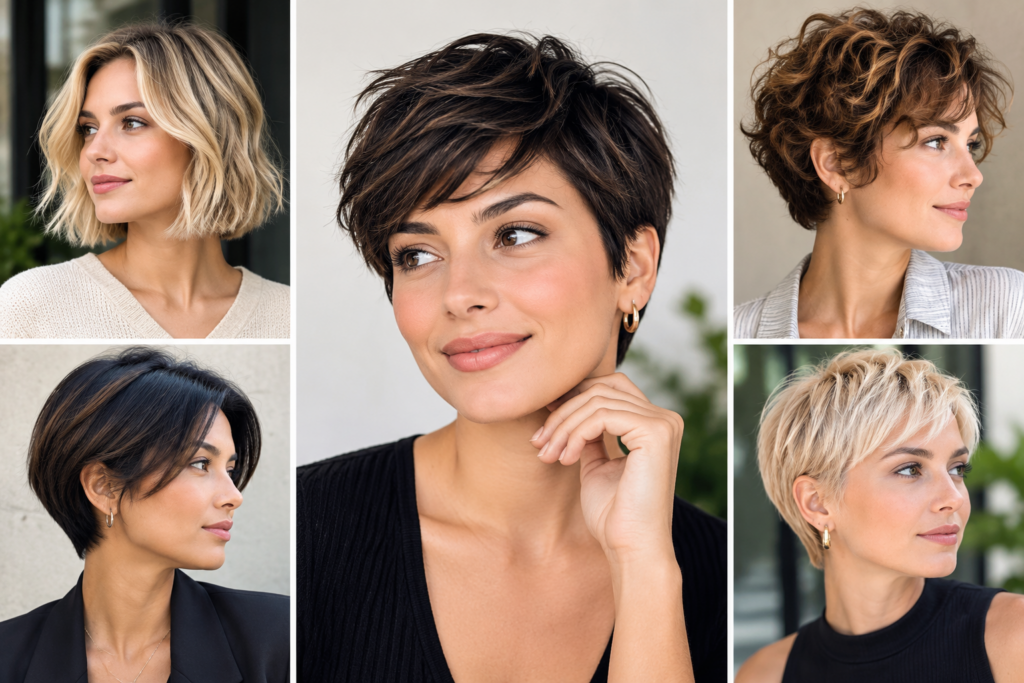
Thinking about cutting your hair short but unsure which style will suit you? A shorter haircut can make your daily routine feel easier, bring out your natural texture, and give your overall look a fresh update. However, choosing the right cut involves more than following a trend. Your hair thickness, natural movement, face shape, and preferred styling routine all influence how a haircut will look after you leave the salon.
The best 2026 short haircuts for women combine personal style with practical wearability. From softly textured French bobs to modern pixies and relaxed short shags, there are plenty of options for different preferences and hair types.
Instead of choosing a haircut simply because it looks great in a photograph, consider how it will fit into your everyday life. Here are eight short styles worth considering in 2026, along with tips to help you choose the right one.
8 Best Short Haircuts for Women to Try in 2026
1. French Bob for a Chic, Timeless Look
The French bob is a stylish choice for anyone who wants a shorter, face-framing haircut. It typically sits around the chin or jawline and can be paired with a soft fringe, a side part, or a natural, slightly tousled finish.
In 2026, textured versions offer an appealing alternative to perfectly polished, rigid shapes. Gentle movement makes the haircut feel relaxed while retaining its distinctive outline.
Best for: Straight, wavy, and some curly hair textures, depending on the cutting technique.
Styling tip: Use a lightweight styling cream to define the ends without making them feel heavy. If your hair has natural waves, let some of that movement show rather than trying to make every strand perfectly smooth.
2. Modern Pixie Cut for a Bold Change
A pixie cut keeps the hair short around the sides and back, with variations in length through the crown and fringe. It can look sleek and structured or soft and piecey, depending on how it is cut and styled.
A longer fringe is a useful option if you want some flexibility around your forehead and face. You can sweep it sideways, create a textured finish, or wear it forward for a different look.
Best for: Anyone who enjoys a cropped style and is comfortable with regular shape maintenance.
Styling tip: Work a small amount of texturizing product through the top with your fingers. Ask your stylist how frequently your particular pixie will need trimming to maintain its shape.
3. Bixi Cut for the Best of Both Lengths
Not ready for a full pixie but tired of longer hair? The bixie combines elements of a bob and a pixie, usually with a shorter, shaped back and more length around the top and sides.
This in-between style gives you room to experiment with texture without committing to an extremely short cut. It can also be a practical transition if you are growing out a pixie.
Best for: People who want a shorter style with some softness and movement around the face.
Styling tip: Apply a lightweight mousse or styling cream, then shape the hair with your fingers. The goal is to create movement rather than flattening the layers into one uniform shape.
4. Blunt Bob for a Clean, Polished Finish
A blunt bob features a relatively even perimeter, creating a clear outline around the jaw or just below it. It is a good option if you prefer a neat, defined haircut over heavily layered styles.
Because the ends appear fuller, a blunt bob can be particularly appealing for fine hair. On thick hair, however, the shape may need internal weight removal or careful graduation to prevent excessive bulk.
Best for: Straight or slightly wavy hair, although a skilled stylist can adapt the shape to other textures.
Styling tip: A smoothing cream and a careful blow-dry can enhance the clean outline. If you prefer less heat styling, discuss a version that works with your natural texture.
5. Short Shag for Natural Movement
A short shag uses layers throughout the haircut to create texture, separation, and movement. It may include a fringe or face-framing pieces, but the overall shape can be customized to suit your preferences.
Unlike a sharply defined bob, a shag often looks better with a little natural irregularity. That makes it an appealing choice for people who do not want their hair to look overly styled.
Best for: Wavy hair, naturally textured hair, and anyone who enjoys a relaxed finish. Layer placement should be adapted for finer or denser hair.
Styling tip: Try a small amount of curl cream or texture spray, depending on your hair type. Avoid using too much product, which can make the layers look weighed down.
6. Curly Bob That Celebrates Natural Texture
A curly bob is shaped around your natural curl pattern instead of forcing your hair into a straight silhouette. The length can sit near the chin or slightly below it, with layers adjusted to create a balanced shape.
One important consideration is shrinkage: curly hair can appear significantly shorter when dry than when wet. Your stylist should account for how your curls naturally spring up.
Best for: People with naturally curly or coily hair who want a shorter shape without losing the character of their texture.
Styling tip: Use a suitable leave-in conditioner or curl-defining product and allow your hair to dry with minimal disturbance. Ask for the haircut to be planned around your natural curl pattern.
7. Layered Bob for Softness and Volume
If a blunt cut feels too structured, a layered bob offers a softer alternative. Carefully placed layers help create movement and can reduce excessive weight in thicker hair.
The amount of layering matters. Too many short layers can make fine hair appear sparse at the ends, while a dense head of hair may benefit from thoughtful shaping.
Best for: Straight, wavy, and thicker hair, with the layer placement customized to your density and styling habits.
Styling tip: For a fuller finish, lift the roots while blow-drying and direct the ends into your preferred shape. For a relaxed look, let the hair air-dry and enhance its natural movement.
8. Short Haircut with Wispy Bangs
You do not need to choose an extremely short cut to make a noticeable change. Wispy bangs paired with a bob, bixie, or soft crop can refresh your appearance while keeping some flexibility around the face.
Light, separated fringe tends to feel softer than a thick, blunt bang. However, fringe length and density should be selected with your hairline, texture, and daily routine in mind.
Best for: Anyone who wants a face-framing detail without dramatically changing the entire haircut.
Styling tip: Use a small round brush or your fingers to guide the fringe into place. If your hair has a strong growth pattern at the front, discuss how the bangs will behave when you are not styling them.
How to Choose the Right Short Haircut for Your Hair
The most flattering cut is one that works with your hair rather than requiring you to fight it every morning.
Consider your hair thickness
Fine hair may benefit from a stronger outline, such as a blunt bob, while thick hair often needs strategic shaping to remove unwanted bulk. These are starting points rather than strict rules; the final result depends on the haircut’s proportions and your natural texture.
Think about your face shape without following rigid rules
If you have a round face, you might prefer a bob that extends below the chin or layers that create some vertical movement. For a square face, softer layers around the jaw may appeal to you. Oval faces can often accommodate a wide range of short styles.
Still, face shape should not determine your haircut on its own. Your features, hairline, personal preferences, and confidence in the style matter just as much.
Be realistic about maintenance
A pixie may take relatively little time to style each morning, but its outline can require frequent professional trims. A bob may offer more flexibility as it grows, although blunt shapes can lose their precision over time.
If you prefer a simple routine, explain that to your stylist before deciding on a cut.
Choose a style that suits your routine
Think about how often you use heat tools, whether you air-dry your hair, and how much time you want to spend styling it. Bring two or three reference photographs and explain what you like about each one, such as the fringe, overall length, or texture.
This is more useful than asking for a haircut by name alone.
Short Hair Styling Tips for Every Season
A great haircut should feel manageable throughout the year, not just immediately after your appointment.
- Keep products lightweight: Fine hair may lose volume when overloaded with creams or oils. Thicker or curlier hair may need more moisture and definition.
- Protect your hair from heat: Apply an appropriate heat protectant before using hot tools, and choose a temperature suited to your hair.
- Refresh the shape between washes: Depending on your texture, a little water, a small amount of styling product, or a quick blow-dry may be enough.
- Plan for seasonal changes: Humidity can affect frizz and curl definition, while dry indoor air can leave some hair feeling less manageable. Adjust your routine instead of assuming one product will work in every season.
- Schedule trims according to the cut: Cropped styles generally need more frequent shape maintenance than softer, longer bobs. Your stylist can recommend an interval based on your haircut and how quickly it grows out.
If you are browsing older inspiration under terms such as “fall hair 2023 short hair,” look beyond the original season. A classic bob, textured pixie, or soft shag can remain wearable even as styling preferences evolve.
What Should You Ask Your Hairstylist Before Going Short?
Before committing to a major change, discuss three things: how the cut will work with your natural texture, how much styling it will require, and what it will look like as it grows out.
You can ask:
- Will this cut work with my natural hair pattern?
- How much time will I need to style it each morning?
- Which areas will need regular trimming?
- Can we adjust the length to make the transition less dramatic?
- What should I do at home to maintain the shape?
Clear answers help you choose a haircut that fits your expectations. They also make it easier to explain the difference between the look you admire in a photograph and the result that will work for your own hair.
Find a Short Haircut That Feels Like You
The best short haircut is not necessarily the boldest or most popular one. It is the style that complements your features, works with your natural hair, and fits the way you live.
At papillonsalon, the haircut and styling service is designed around individual preferences, face shape, and lifestyle. If you are ready to try a new length, use your favorite reference photos to start a conversation about the shape and finish you want.
Frequently asked questions
1. What is the most popular short haircut for women in 2026?
French bobs, blunt bobs, bixies, textured pixies, and short shags are prominent styles in 2026 trend coverage. The best option depends on your hair texture, preferred finish, and maintenance routine.
2. Which short haircut makes fine hair look fuller?
A blunt bob or a softly shaped bob can make fine hair appear fuller by keeping the ends visually substantial. Your stylist can adjust the length and layering to suit your hair density.
3. Are short haircuts suitable for curly hair?
Yes. Curly bobs, sculpted pixies, and layered short cuts can all work well. The cut should account for curl shrinkage, natural volume, and how the curls sit when dry.
4. Which short haircut is easiest to maintain?
A softly shaped bob or a textured crop may be manageable for everyday styling, depending on your hair. Very short pixies can be quick to style but often need more frequent trims to preserve their shape.
5. How do I know whether short hair will suit my face shape?
Consider face shape alongside your features, hairline, texture, and styling preferences. Reference photos and a consultation can help you choose the right length, fringe, and layers.
6. Should I cut my hair short for fall 2026?
Fall can be a convenient time for a style refresh, but there is no need to choose a cut solely because of the season. A bob, pixie, or shag can work year-round when its shape and styling suit your needs.